Baking guide
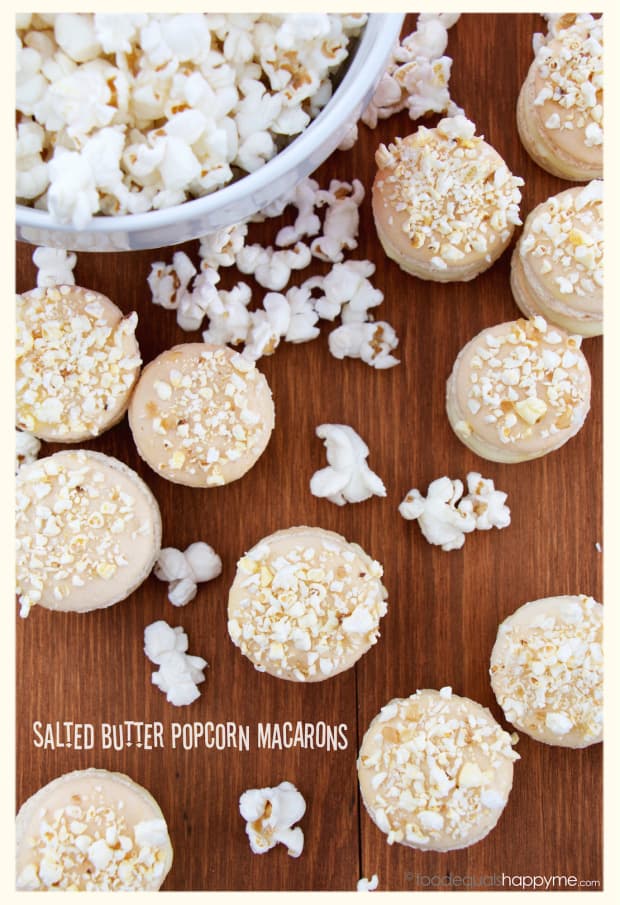
Choosing almond flour for macarons
A practical guide to blanched almond flour, almond meal, sifting, and avoiding an oily mixture.
Read the guideA little know-how
Choose the right ingredients, sort out the measurements, and keep your baking fresh. Short guides for the questions that come up mid-recipe.
A practical guide to blanched almond flour, almond meal, sifting, and avoiding an oily mixture.
Read the guide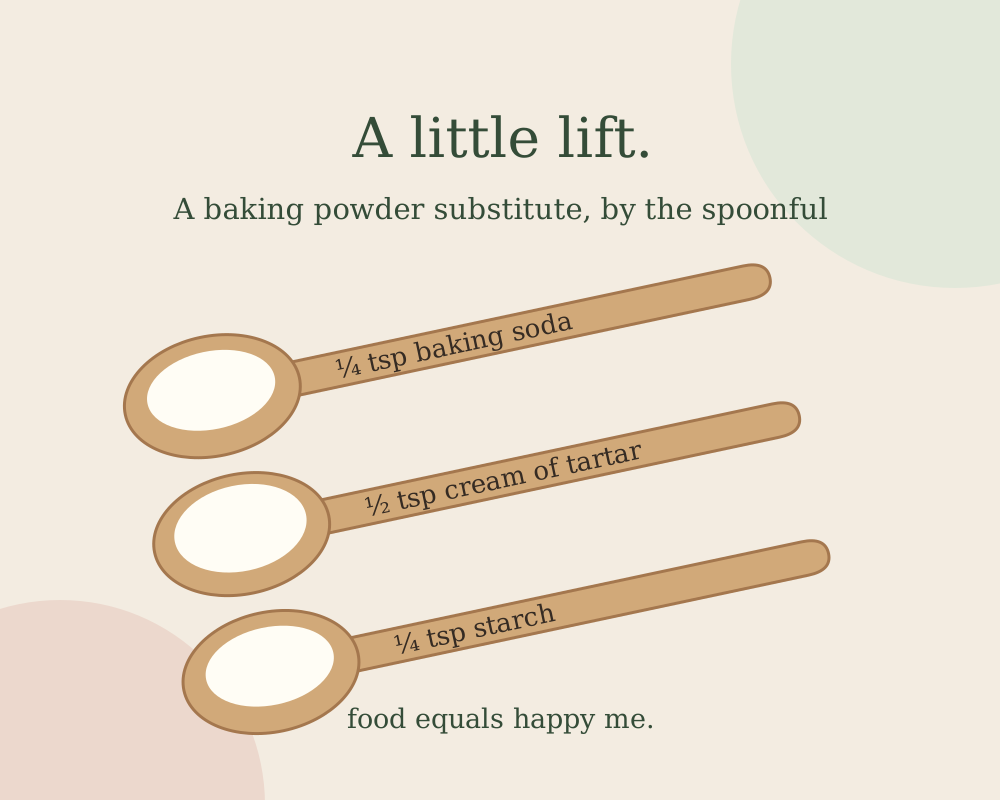
Replace 1 teaspoon of baking powder with baking soda, cream of tartar, and starch. Use the calculator for your recipe's amount.
Read the guide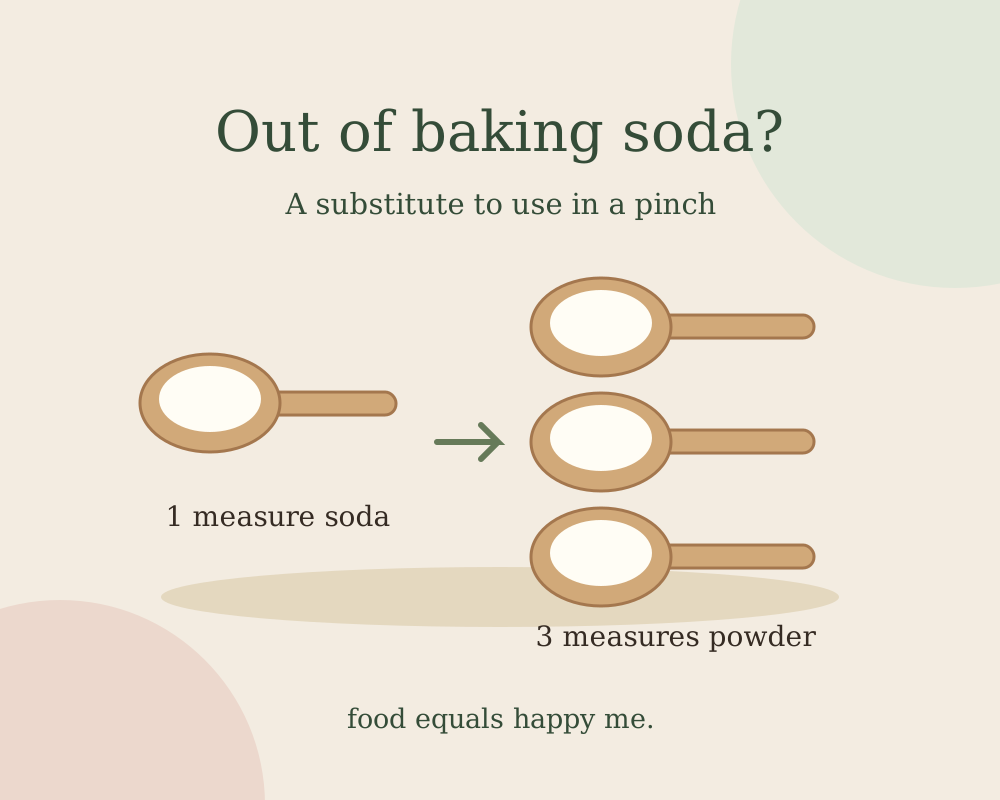
In a pinch, use three times as much baking powder as baking soda. Check the amounts and the tradeoffs before changing your recipe.
Read the guide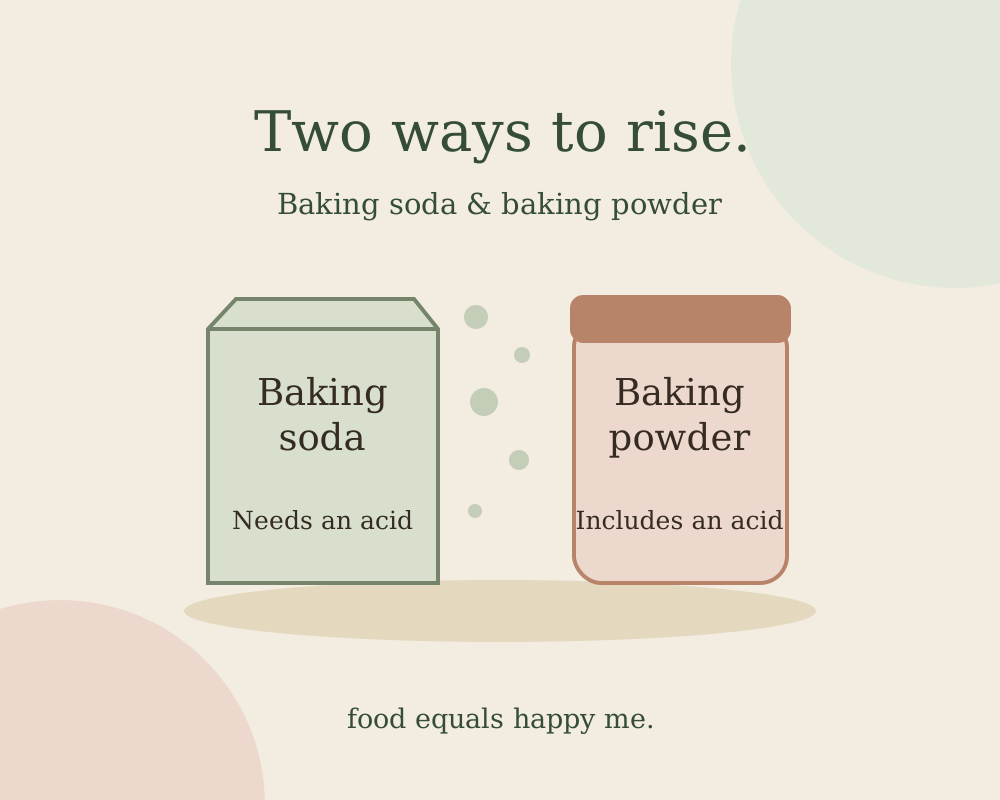
Baking soda needs an acid in the recipe. Baking powder brings its own. Here's why recipes use one, the other, or both.
Read the guide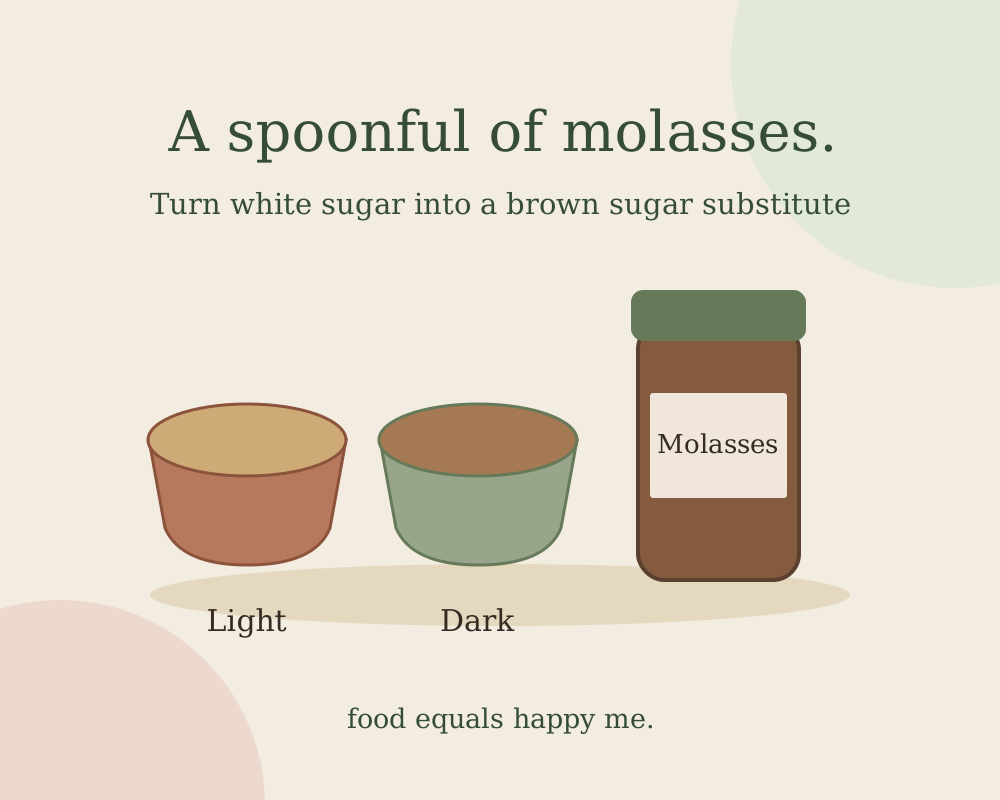
Use white sugar and molasses to replace brown sugar. Calculate light or dark amounts, and see when another sugar will change your bake.
Read the guide
Look for superfine sugar in US stores, or make a finer sugar from regular granulated sugar. Here's when the swap works.
Read the guide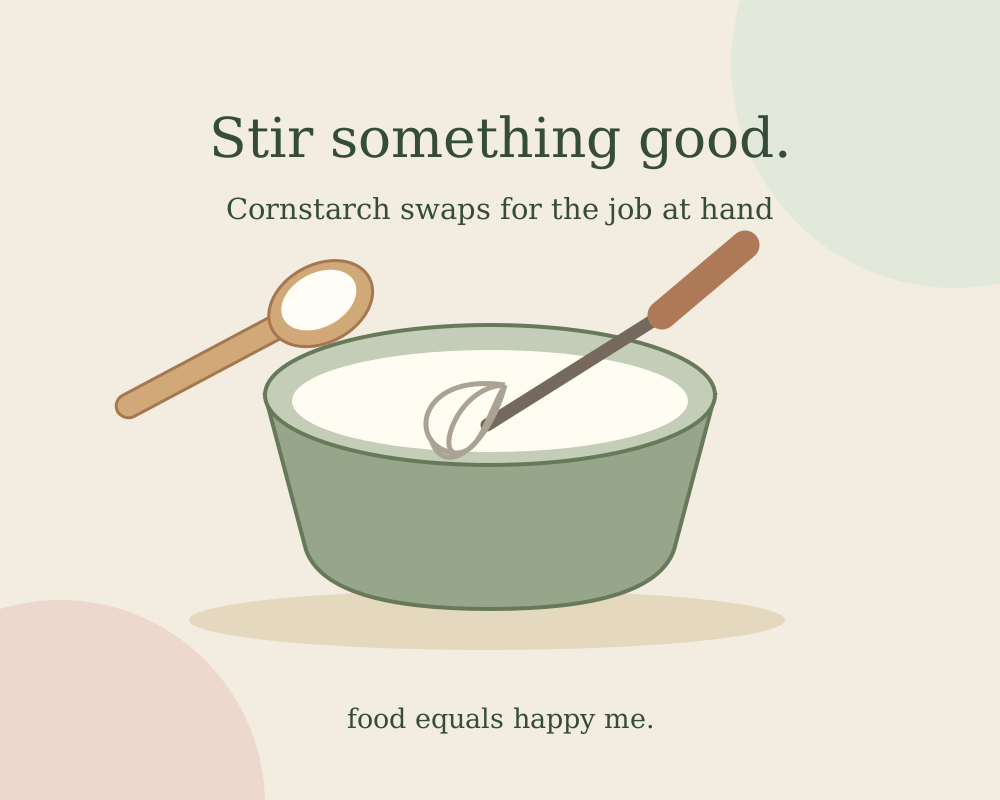
Use 2 tablespoons of all-purpose flour for 1 tablespoon of cornstarch in a sauce. For pies and baking, choose the swap to suit the recipe.
Read the guide
Filled macarons usually belong in the fridge. The filling and the recipe determine how long to keep them.
Read the guide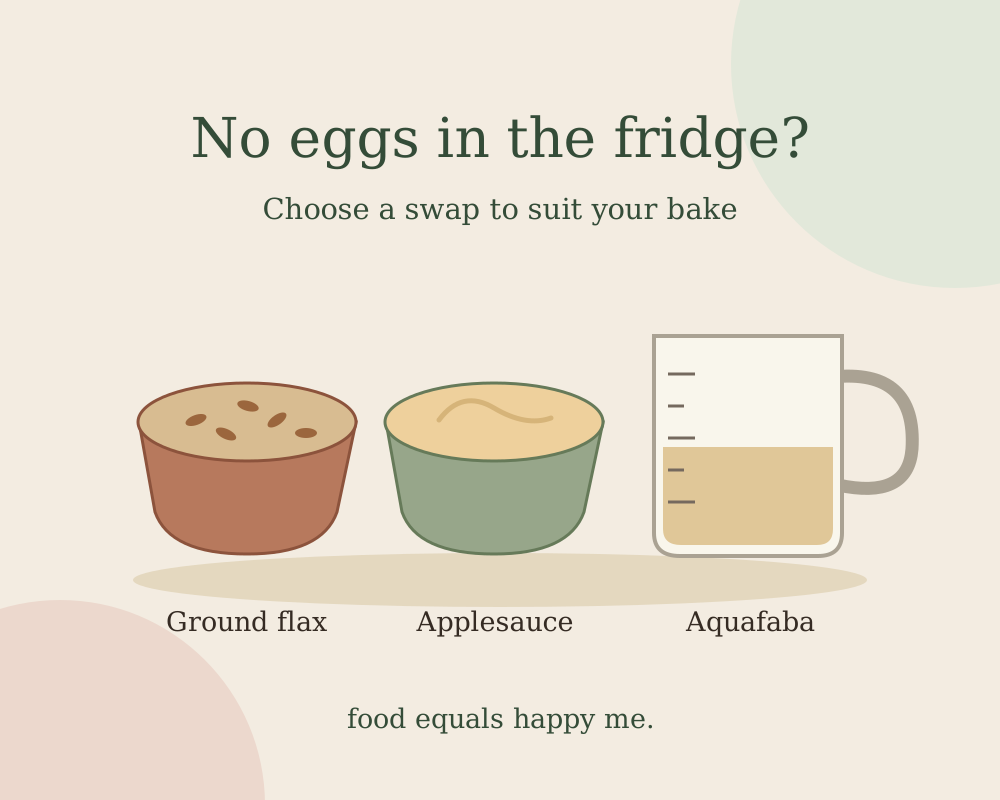
Flax, applesauce, banana, and aquafaba can replace eggs in some bakes. Choose by the job the egg does, with amounts for one large egg.
Read the guide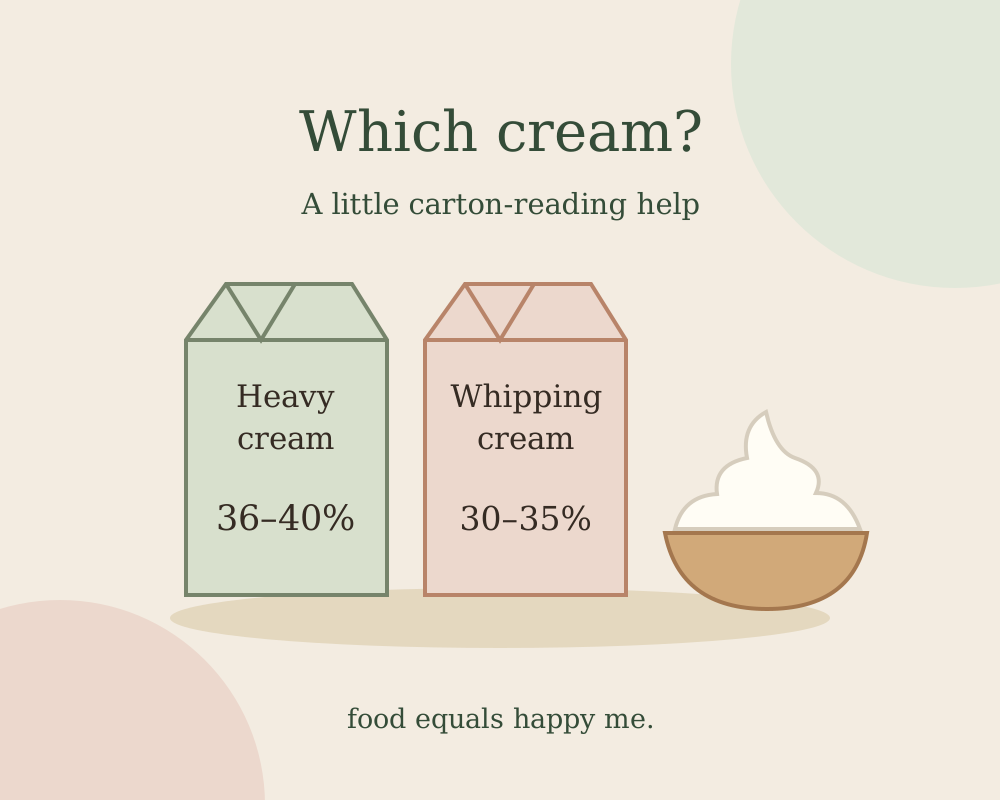
Heavy cream and heavy whipping cream are the same category. Ordinary whipping cream has less fat, which matters for whipped toppings and desserts.
Read the guide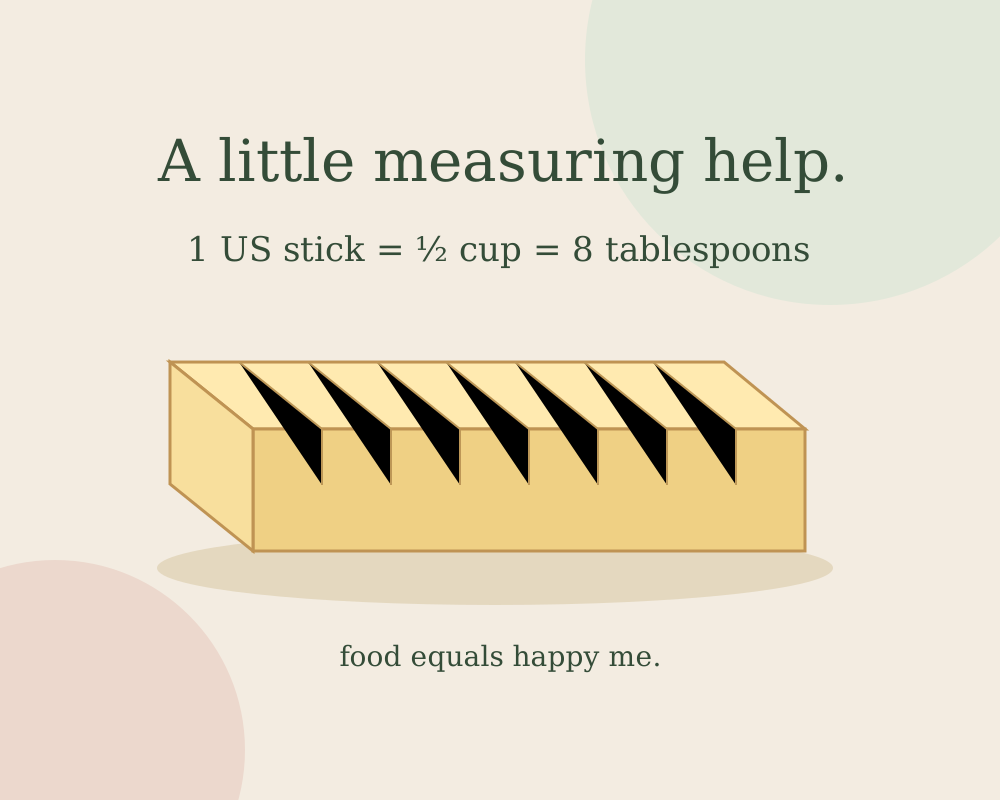
One full US stick of butter is 1/2 cup, 8 tablespoons, or about 113 grams. Convert the amount in your recipe below.
Read the guide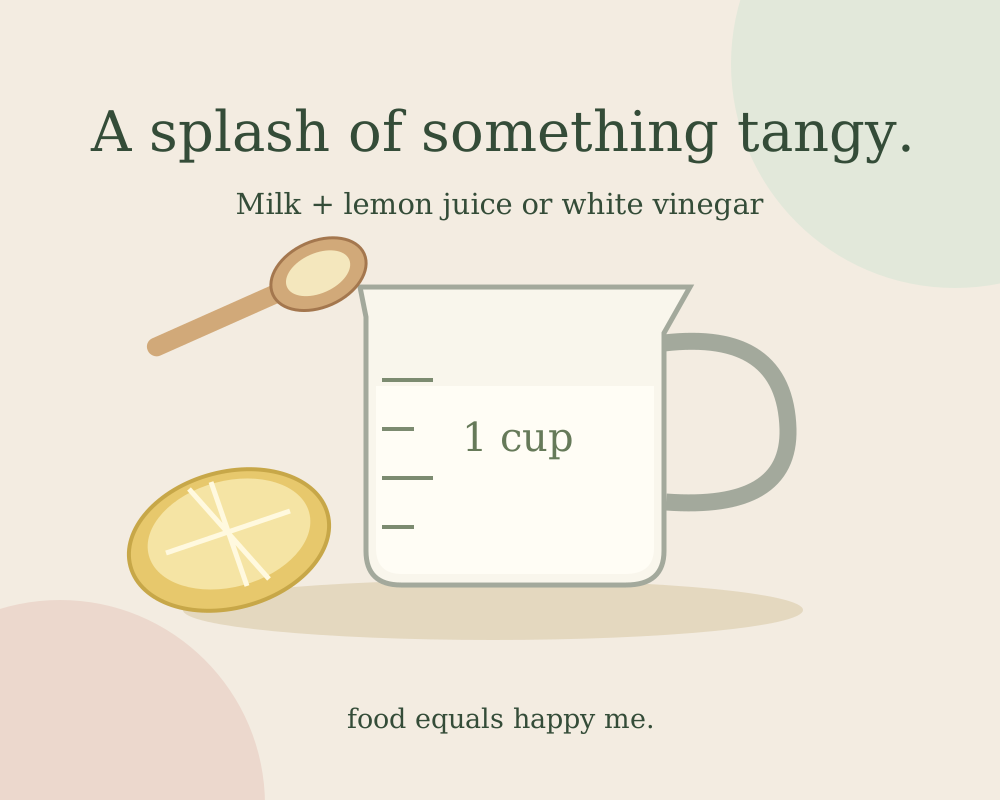
Put 1 tablespoon of lemon juice or white vinegar in a measuring cup, then add milk to the 1-cup line. Here's how to scale it for your recipe.
Read the guide