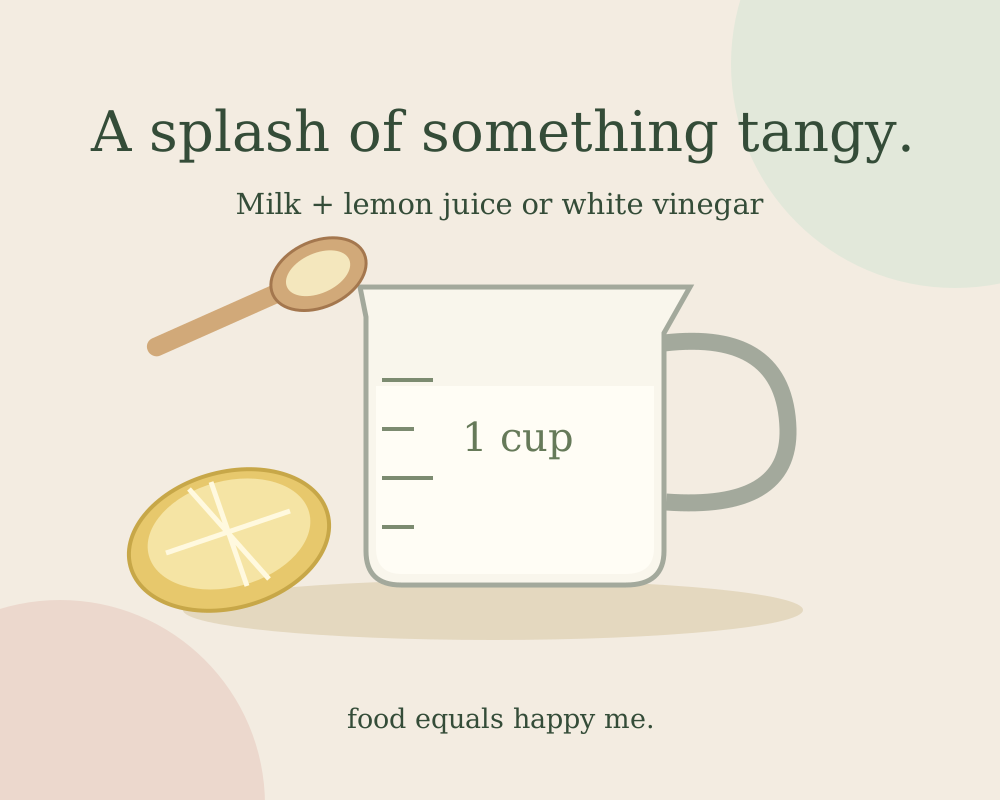
To replace one cup of buttermilk in a baking recipe, put 1 tablespoon of lemon juice or food-grade white vinegar into a liquid measuring cup. Add milk until the total reaches the 1-cup line. Stir and leave for 5–10 minutes.
That makes acidified milk, a quick baking substitute. It doesn't turn milk into cultured buttermilk, and it may look much thinner than the carton you're used to.
Buttermilk substitute calculator
Decimals and fractions work: try 0.5, 1/2, or 1 1/2.
- Lemon juice or white vinegar
- 3 tsp
- Then add milk to this TOTAL volume
- 1 US cup
If measuring separately, use 15 tablespoons of milk. The acid is included in the final volume.
Use a US measuring cup and food-grade white vinegar or lemon juice. Stir and let stand 5–10 minutes before adding to your batter.
Measure the acid first
The cup includes both ingredients. Adding acid to a full cup of milk gives you more liquid than this formula calls for. The calculator follows Betty Crocker's substitution chart; its buttermilk preparation guide describes the short resting time.
For the 1/2 cup needed in our maple bacon cupcakes, start with 1 1/2 teaspoons of acid and add milk to the half-cup line. Keep the recipe's other ingredients and mixing method the same.
Is this the same as cultured buttermilk?
No. Modern cultured buttermilk gets its acidity and thicker texture from added cultures. Traditional buttermilk is the liquid left from churning butter. Adding lemon juice to fresh milk is a third thing: a shortcut for supplying acid in a recipe.
King Arthur's side-by-side baking comparisons found that the best replacement depends on the bake. Substitutes were less noticeable in a flavored cake than in a simple biscuit. For a dressing where buttermilk provides most of the flavor, buy cultured buttermilk.
Can I use plain milk or yogurt instead?
Plain milk alone doesn't supply the acidity that a baking-soda recipe may need. Check our baking soda versus baking powder guide before changing both ingredients.
Plain yogurt thinned with milk is another option when its fermented flavor suits the recipe. King Arthur recommends thinning it to roughly the consistency of heavy cream; thick Greek yogurt needs more thinning than ordinary yogurt.
If you're estimating the ingredients' nutrition, our Greek yogurt guide covers plain, nonfat yogurt before thinning. Match the fat level on your tub, and count any milk you add separately.
For a dairy-free bake, use plain, unsweetened plant milk and a recipe suited to it. King Arthur's dairy-free baking guide covers that substitution separately. Avoid flavored milk that adds sweetness or another flavor to the batter.
A question about this post?
Tell us what you’re making and where you got stuck. Recipe corrections are welcome, too.
Send a note to the kitchen