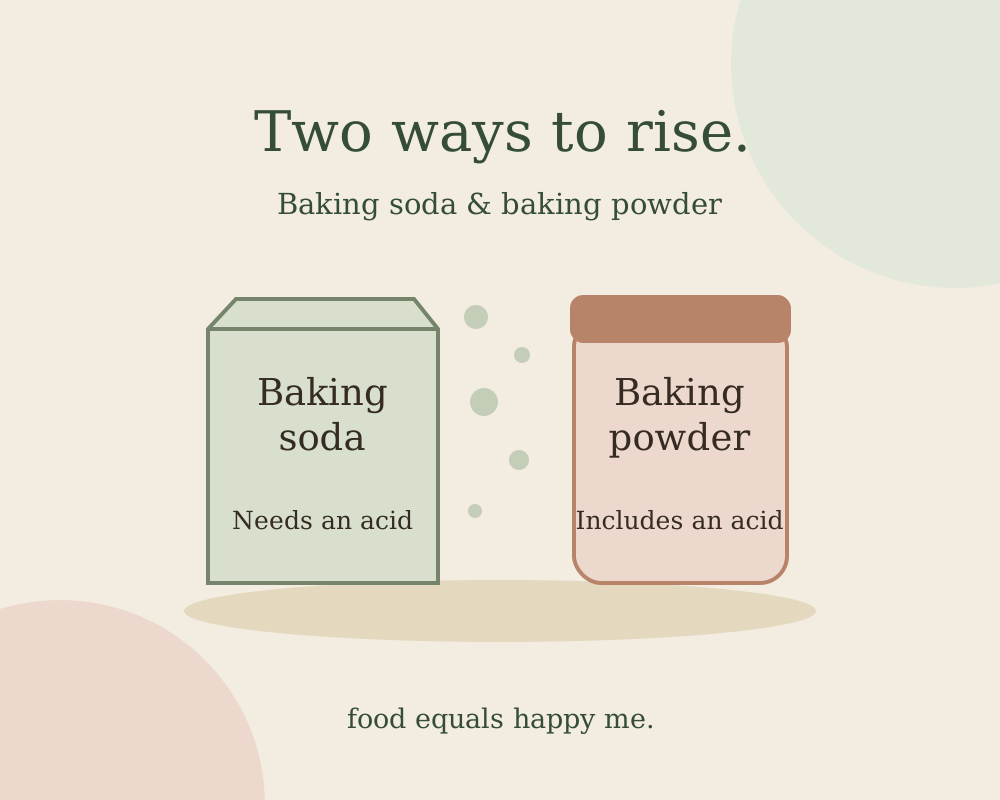
Baking soda needs an acid in the recipe to react with. Baking powder contains baking soda plus dry acids, so it brings that combination with it. They both help baked goods rise, but they aren't interchangeable spoon for spoon.
The difference at a glance
| Question | Baking soda | Baking powder |
|---|---|---|
| What's in it? | Sodium bicarbonate | Baking soda, dry acids, and usually starch |
| Does the recipe need another acid? | Yes, for its acid-base reaction | No; the powder contains one |
| When does it react? | When mixed with moisture and acid | Double-acting powder reacts when wet and again with heat |
| Other common name | Bicarbonate of soda / bicarb | Check whether the package says double-acting |
Arm & Hammer explains how the two leaveners work. Buttermilk, yogurt, and other acidic ingredients can supply the acid for soda. Plain milk isn't the same; our buttermilk substitute guide explains that difference.
Why does a recipe need both?
A recipe can contain some acid without enough to react with all the soda needed for its rise. Baking powder can provide additional lift while soda also affects acidity and browning. King Arthur describes this balance.
Our maple bacon cupcakes list both, along with buttermilk and brown sugar. Keep those quantities as written instead of treating the two powders as duplicates.
Out of one?
- For missing soda, use the baking soda substitute guide. It covers the larger amount of baking powder involved and the tradeoffs.
- For missing powder, use the baking powder substitute calculator. Its dry blend supplies both soda and acid.
Neither swap means you should add extra leavener to a recipe that has already failed. Check the measurements, ingredient freshness, and mixing method first. More powder doesn't automatically produce a taller cake.
A question about this post?
Tell us what you’re making and where you got stuck. Recipe corrections are welcome, too.
Send a note to the kitchen