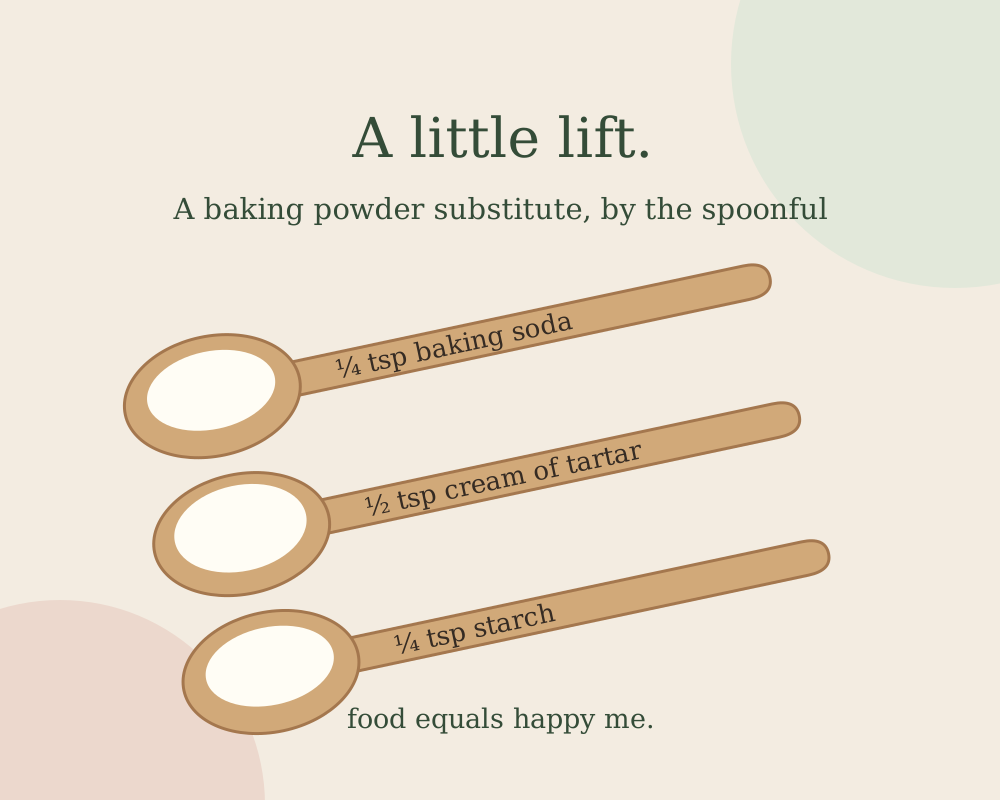
For 1 teaspoon of baking powder, mix 1/4 teaspoon baking soda, 1/2 teaspoon cream of tartar, and 1/4 teaspoon cornstarch or tapioca starch. This dry blend uses the substitution ratio from King Arthur Baking.
It is a useful pinch-hitter, but it won't behave exactly like a store-bought double-acting powder. Have the oven heated and the pan ready before mixing your batter.
Work out your substitute
Enter teaspoons: 1 tablespoon is 3 teaspoons. Fractions such as 1/2 and 1 1/2 work too.
To replace 1 tsp of baking powder, combine:
- Baking soda
- 1/4 tsp
- Cream of tartar
- 1/2 tsp
- Cornstarch or tapioca starch
- 1/4 tsp
Use level measuring spoons. Stir the dry blend thoroughly; add it where the recipe calls for baking powder. Unusual amounts are rounded to four significant figures.
How to use the blend
Mix the powders evenly, then add the blend with the recipe's dry ingredients. If the recipe also lists baking soda separately, keep that original amount: this blend replaces only the baking powder.
For a tiny amount, measuring a larger blend can be easier. Our peanut butter brownies need just 1/4 teaspoon baking powder. Make the one-teaspoon blend above, stir thoroughly, then measure 1/4 teaspoon of that mixture.
Can I just use baking soda?
For a comparison of what each does, see baking soda versus baking powder. If soda is the ingredient you're missing, use the separate baking soda substitute chart.
Not spoon for spoon. Baking soda needs acid to release the gas that helps batter rise. Baking powder already includes an acid; the cream of tartar supplies it in this substitute. Plain soda changes that balance, and too much can leave an unpleasant taste. McCormick explains the difference.
What if I don't have cream of tartar?
Don't leave it out of this blend. Liquid acids such as buttermilk or lemon juice also change the recipe's liquid and acidity. Use a recipe written for the ingredients you have instead of adding an arbitrary splash. Self-rising flour also contains salt and leavening, so it needs a recipe adjustment of its own.
Out of cornstarch only? Use the same amount of tapioca starch in this blend. The ratios in our cornstarch substitute guide cover other cooking uses separately.
Bake promptly once the batter is mixed
This homemade blend starts reacting when it gets wet. It doesn't have the later, heat-triggered reaction of a double-acting baking powder. Don't mix the batter and leave it on the counter while you prepare everything else. Arm & Hammer's leavening guide explains why that timing matters.
A question about this post?
Tell us what you’re making and where you got stuck. Recipe corrections are welcome, too.
Send a note to the kitchen