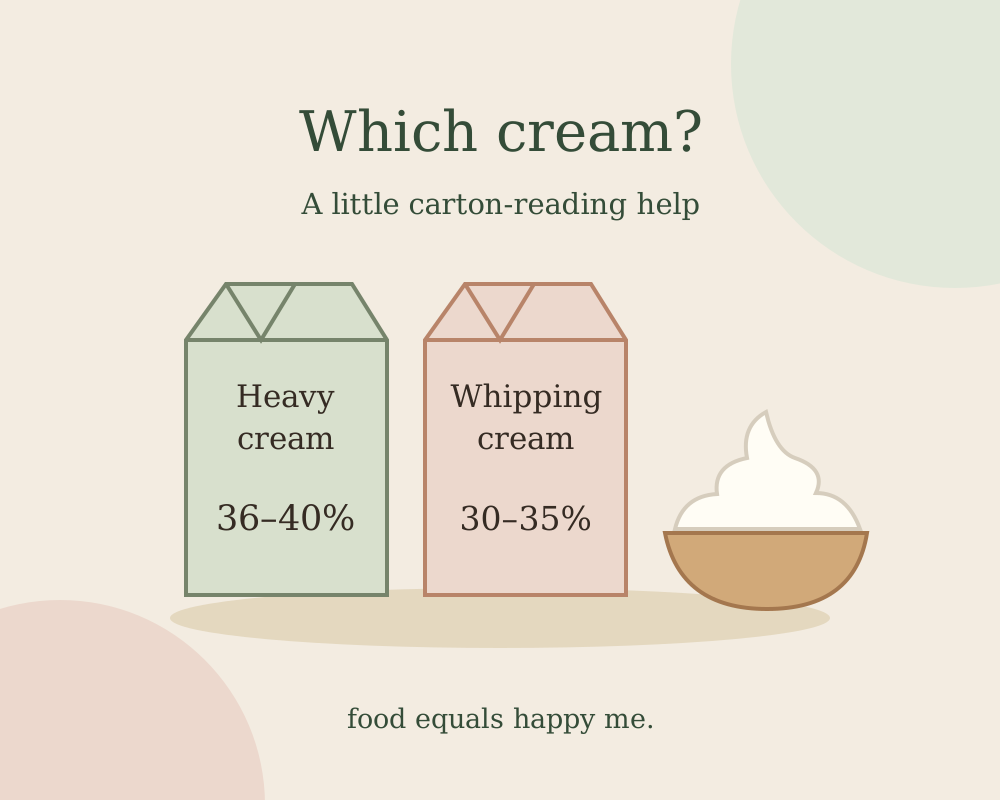
In US recipes, heavy cream and heavy whipping cream mean the same category of cream. A carton labeled just “whipping cream” is usually a lighter product. Both can whip, but heavy cream holds its shape better.
The useful number is milkfat. Check the carton rather than choosing by the word “whipping” alone.
Compare the cartons
| Label | Typical milkfat | Useful for |
|---|---|---|
| Heavy cream / heavy whipping cream | 36–40% | Whipped toppings that need to hold their shape; rich sauces |
| Whipping cream / light whipping cream | About 30–35% | Lighter whipped toppings, soups, and sauces |
Land O'Lakes explains these labels and uses. Heavy cream is the more reliable choice for a piped finish or a dessert where whipped cream supplies structure.
Can I substitute one for the other?
For a splash in soup or a sauce, the same volume of either often fits the job, with a difference in richness. For a mousse, ganache, or filling that needs to set, use the cream specified in the recipe. Changing its fat content can change the finished texture.
Heavy whipping cream does not mean cream that's already whipped. If a recipe says “1 cup cream, whipped,” measure the liquid first. A cup of finished whipped cream is a different amount.
Getting cream to whip
Use cold cream and chill the bowl and beaters, as Organic Valley recommends. Stop at the consistency your recipe needs: soft peaks bend over, while firmer peaks stand more upright. Keep an eye on the bowl as it thickens rather than relying on one fixed whipping time.
Some of our older Australian recipes call for thickened cream. That name isn't identical to every US carton; check the fat content and ingredients before choosing a substitute.
Milk mixed with melted butter is sometimes used as a cooking substitute for heavy cream, but it isn't a whipping substitute. Betty Crocker's chart makes that distinction. For a missing acidic dairy ingredient instead, use the buttermilk substitute guide.
A question about this post?
Tell us what you’re making and where you got stuck. Recipe corrections are welcome, too.
Send a note to the kitchen